
How to Treat a Wasp or Bee Sting
Learn how to treat a wasp or bee sting with effective first aid. Discover safe methods for stinger removal, reducing pain, swelling, and when to seek medical attention. Stay safe with our expert tips!
Initial Response and Stinger Removal
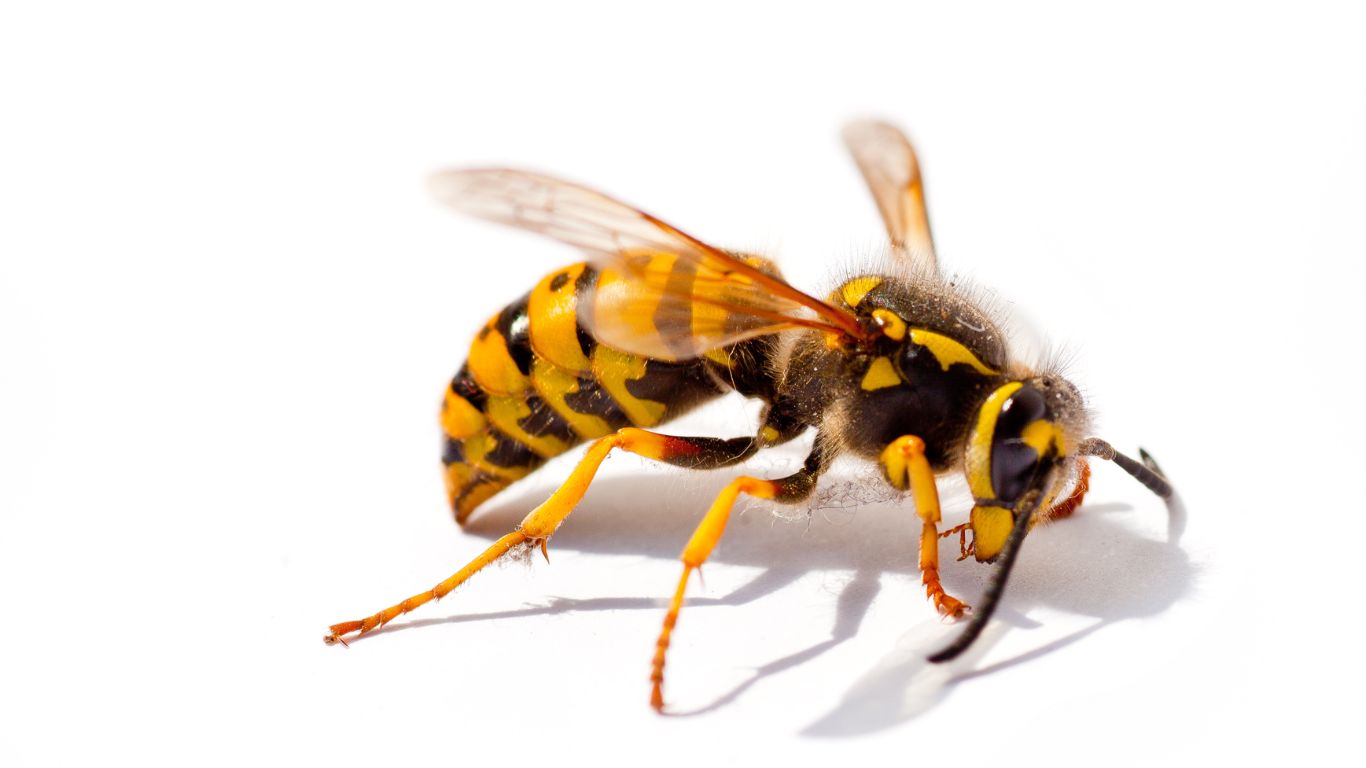
When stung by a bee, the first step is to check the area for a stinger. Bees leave their stinger behind, unlike wasps. Use the edge of a bank card to gently scrape it out—avoid tweezers as squeezing may inject more venom. Wash the sting site with soap and cool water to reduce the chance of infection. Keeping the area clean is essential, especially if the sting occurred outdoors where bacteria may be present. If it’s a wasp sting, there won’t be a stinger, so focus instead on cleaning and monitoring the reaction.
Reducing Pain and Swelling
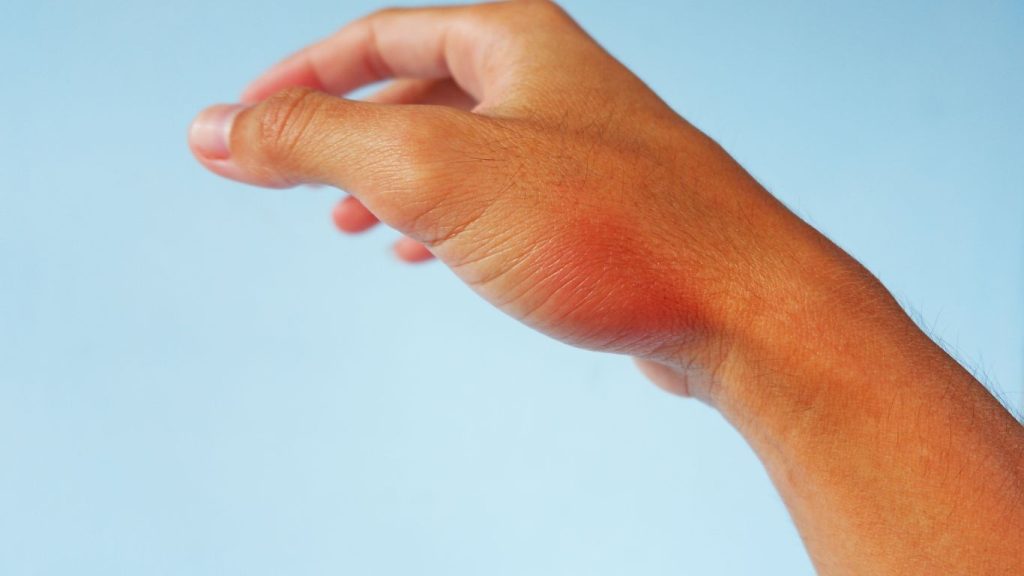
After cleaning, apply a cold compress or an ice pack wrapped in a clean cloth to the affected area. Use it in short bursts—10 minutes on, 10 minutes off—to help reduce swelling and discomfort. Over-the-counter painkillers like paracetamol or ibuprofen can ease pain. Refrain from scratching the sting site, as this can lead to further irritation or infection. Elevate the affected area if possible, especially if the sting is on an arm or leg. This helps reduce inflammation. Rest and avoid strenuous activity for a while to let your body recover properly.
Managing Itching and Irritation
For ongoing itchiness or irritation, antihistamines such as loratadine or cetirizine can provide relief. These help counter the body’s allergic reaction to the sting. Alternatively, apply soothing creams like hydrocortisone, calamine lotion, or antihistamine gels directly to the skin. These will reduce redness and itching. Always read the instructions on any medication and consult a pharmacist or GP if unsure. Natural remedies like aloe vera or a paste made from baking soda and water may also provide mild relief. Avoid home remedies unless you’re confident in their safety, especially for young children.

When to Seek Medical Help
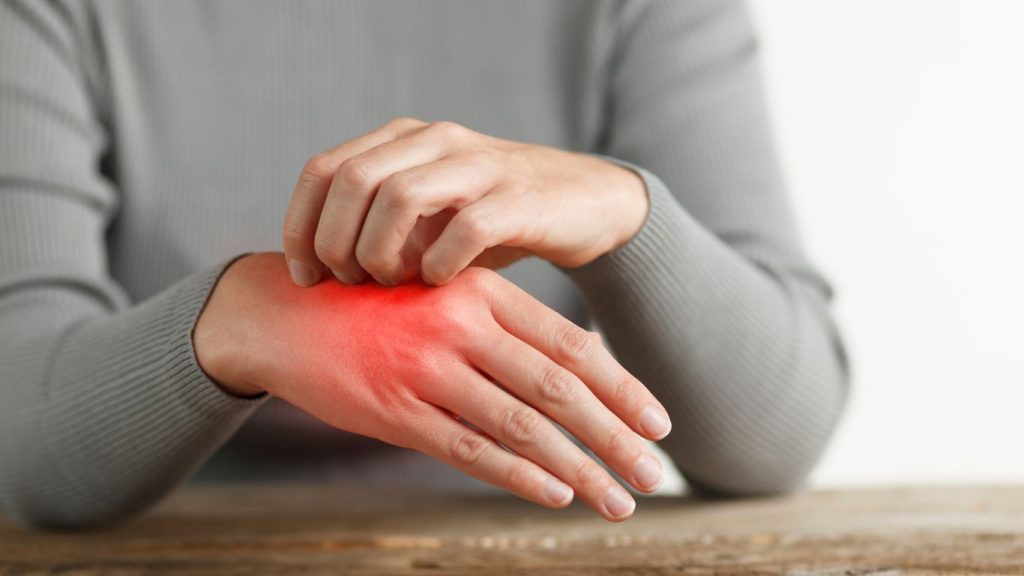
While most stings are mild, it’s crucial to recognise symptoms of a serious allergic reaction (anaphylaxis). These include difficulty breathing, swelling around the face or throat, dizziness, or a rapid heartbeat. In such cases, call 999 immediately. People known to be allergic should carry an adrenaline auto-injector (like an EpiPen) and use it as instructed. Also, seek medical advice if the sting site becomes increasingly swollen, hot, or painful after a day or two, as this could indicate infection. Multiple stings or stings inside the mouth or near the eyes require professional medical attention without delay.
Book Your Wasp & Hornet Nest Removal Today!
Don’t let a wasp or hornet infestation put your family, staff, or customers at risk—get fast, professional help today. Whether it’s an active nest causing daily disruption or you’ve just started noticing increased insect activity, we’re ready to act swiftly
